September-October

New School Permaculture Spring Courses
Permaculture is to live in harmony with nature providing for human needs and the needs of everything around us
A apresentar mensagens correspondentes à consulta amazon ordenadas por relevância. Ordenar por data Mostrar todas as mensagens

Permaculture Design Course- Acre - Amazon - Brazil

New School Permaculture 
Permaculture Design Course

Cruzeiro do Sul - Acre 
Amazon - Brasil

Course by Helder Valente and

the New School Permaculture  Team

 Permaculture Design Course - 20 to 31 Jan
 Permaculture Forest Course 
- 5 to 20 Feb 
 Indigenous Life Experience - 22 Feb to 22 Mar


If you want, you can just be part of one of the 3 courses
 or you can be part of all the courses to get a deeper experience on Permaculture education.


INFO Contact:

maininfonsp@gmail.com

This course will be in a beautiful region of the 
Amazon forest of Brasil.

Helder has spent one year in the high and low Amazon and its super happy to guide you on the connection with the biggest forest in the world


In this course you will learn 

the New School Permaculture design secrets.

Have you ever asked yourself this questions? 

How can i get more connected with nature and understand how it works?
In what way can i save energy on everything i do?
How can i recover and redesign areas or objects in a way that they become more ecological and nature friendly?
How can i live a more healthy life without having to buy so many chemical products?
How can i develop or be part of a network of people that is inspired to be of positive change to this world?

Did you ever found your self  having this ideas?
 
I want to develop design skills and find a new way of thinking.
I want to support other people to find a way to live a low impact lifestyle  
I would like to be living connected with nature working the same way it works.
I see myself living with a community that works toguether.
I want to recover an old farm and live with what it can produce.
On this course we will answer these questions and will support  these ideas
The PDC is the course that creates the certified permaculturists, many people practice permaculture in an intuitive way with wonderfull results, on this course we learn about the thinking of permaculture, the way we look at things, so this course has the objective of changing the way we look at the world, thats why for many people its a life changing experience.

This region has amazing fruits grown 
mixed with the amazon forest.


To see the amazing fruits we can grow
click HERE

What is Permaculture?
Permaculture is a sustainable design system that provides for human needs while having positive effects on the surrounding environment.

 It is based on the ethics of earth care, people care and fair share, and provides practical solutions to the global crises we are currently facing.


Helder studied and worked with pioneers like Bill Mollison and Geoff Lawton in Turkey, Doug Bullock in the Amazon, Rosemary Morrow in Austria, Graham Bell in Scotland, Darren dougherty, Ernst Gotcsh, Sepp Holzer in Portugal and many others in countries like Haiti, Canada, Egipt, Finland, Peru, always learning and practicing this sustainable design methods.

While living in the city he dedicated 5 years on developing urban permaculture projects and for the last 5 years traveling and developing permaculture institutes around the world. 

 It all started in 2009 teaching permaculture to students at the agriculture university and since then learning and teaching in many different climates and getting to know the old ways and new ways of sharing information.


To join us on Facebook click HERE

 By December 2012 in the Peruvian Amazon working in support to the shipibo indigenous communities Helder created the New School Permaculture and  is now developing alternative educational methods.

In 2013 the New School has been presenting at the IPC International Permaculture congress in Cuba and sharing experience about ecosocial regeneration.


The New School Permaculture uses creative and inspiring educational tools that enable the students to empower each other in a way that many people have never seen before.


To see testimonials from our students
click HERE

The course is presented by creative non formal education methods, that are based on creating a bridge between the right and left side of the brain, so that the analytical and creative abilities of the students get fully stimulated and get the most out of the experience...for many people is the most empowering and inspiring transformative process of their lives...and they carry this with them every were they go....and thats our goal.

INFO Contacto:

maininfonsp@gmail.com


To see what grows in the region
click HERE


The subjects covered during this Permaculture Design Course include:

The ethics and principles of Permaculture
Learning strategies

Educational Methods
 Reading the landscape 
Pattern in design
Biodiversity
Water preservation
Forests and trees
Soils building
Climates
Buildings and natural construction
Alternative economies
Community development


Helder Valente is a british Permaculture association 

Educator member.


To know more about this course click HERE

To know more about the content of the course you can check our videos on you tube

More videos of Helder

TV Italia HERE 2015
Spanish national TVE HERE 2014
Video at IPC Cuba HERE 2013
Portuguese RDP HERE 2013
Spanish national TVE HERE 2013
Reportagem da SIC HERE 2012
Biosfera da RTP HERE 2011
Biosfera da RTP HERE 2010
Biosfera da RTP HERE 2009

Para ler mais entrevistas do Helder
Entrevista para Atlantico Express dos Açores AQUI


 Know more about our seed bank
 Atlantis Seeds click HERE
https://www.facebook.com/events/127121534567281/?acontext=%7B%22ref%22%3A%223%22%2C%22ref_newsfeed_story_type%22%3A%22regular%22%2C%22action_history%22%3A%22null%22%7D
Join Facebook event click HERE

https://www.youtube.com/user/permaculturaportugal

https://www.facebook.com/events/1448597938692507/
Like us on Facebook click HERE

Join also our facebook groups

There will be some early bird discounts for people that sign up in advance
A lack of funds is the biggest challenge for most potential PDC students. How many times has a potential student asked you if they could do the course on work trade? WeTheTrees makes it easy for these students to fundraise their tuition by providing them with all the resources and support they need to be successful. We provide a professional video, strategy guide, and a demo PDC campaign to get them fundraising quickly and effectively. Check it out yourself.


Permaculture Design Course 2027 | Ecuador Amazon PDC

Permaculture Design Course 
Amazon Forest in Ecuador

From 17 to 31 January 2027

Join our Permaculture Design Course in Ecuador,
in the Amazon rainforest near Puyo.

Learn permaculture design in one of the world's most biodiverse environments, 
you will learn how to design for any situation and climate of any country.

Course taught by 
Doug Bullock (USA) and  Helder Valente (PT)
and the New School Permaculture  team.


Join this course and learn from 2 of the early direct students of Bill Mollison the creator of Permaculture.

PDC Permaculture Design Course

To know more about our future courses click HERE

The New School Permaculture  is very happy to announce one of the most excinting permaculture courses this year. 

We will have the guidance to learn how nature works of Doug Bullock, one of the Bullocks brothers from Orcas Island in Washington.


Why study permaculture in the Amazon?

The Amazon is not simply the backdrop for this course. It is part of the classroom.

Over two weeks, we'll explore how people, plants, water, soils, forests and communities interact — and what these patterns can teach us about designing regenerative human systems.

You'll learn permaculture principles while experiencing a living landscape where biodiversity, climate, water and human culture are deeply interconnected.


Doug and Helder working in the Amazin jungle in December 2012

Douglas Bullock is among the most experienced and recognized permaculturists in the world.
Its not everyday you find someone with more than 40 years of experience in permaculture systems that you can learn from.

Since 1981, Douglas Bullock has lived with his extended family, friends, and skill builders on their Permaculture Homestead on Orcas Island. 

Douglas has facilitated or directly participated in comprehensive Permaculture projects and classes at their site and at sites around the world, including Australia, New Zealand, Hawai'i, Costa Rica, the Bahamas, Nicaragua, Peru, Spain, Poland, California and Washington.


Having traveled extensively collecting and studying agricultural systems, he is familiar with a wide range of climate strategies and crops. His specialties include permaculture design, tree crops, nursery practices, creating small and large-scale wetland environments, and implementing appropriate technologies. Douglas has also written articles and pamphlets on permaculture featured in the Permaculture Activist and in the International Permaculture Journal.


Have you ever asked yourself this questions? 

How can i get more connected with nature and understand how it works?
-I am looking for moving to the countryside, where should i start?
- Which additional trees should we plant? We have a long wishlist of things we would also like to grow but not sure where all of it would fit
- How is the design of all the trees that are planted in our yard. It seems partially very crowded and partially very vast. I would love a good balance between the different areas.
- We want to think in systems and not in veggie beds. How do we start a food forest with what we already have on the land?
- I know observation is key… but how do I track what I observe?
- How do we keep our land fire resistant?
- How do we process all the harvested fruit?
- How do we manage all the tasks that are due during a year? (Are there any methods or tools for that?
- How and when to prune all the plants
- How do we detect which plants are sick and which aren’t?
- How can we improve the soil or test its quality?
- How to compost?
- How to identify all plants and map out our garden
- Where should we integrate our balcony plants?
- Water management. How can we build an irrigation system or is that even necessary?
- Should we have cover crops instead of bare soil in the lower part? And if so what? And how do we sow it?
- Which animals would make sense and help with the work?
In what way can i save energy on everything i do?
How can i recover and redesign areas or objects in a way that they become more ecological and nature friendly?
How can i live a more healthy life without having to buy so many chemical products?
How can i develop or be part of a network of people that is inspired to be of positive change to this world?

Did you ever found your self having this ideas?
 
I want to develop design skills and find a new way of thinking.
I want to support other people to find a way to live a low impact lifestyle  
I would like to be living connected with nature working the same way it works.
I see myself living with a community that works toguether.
I want to recover an old farm and live with what it can produce.

On this course we will answer these questions and will support  these ideas


On this course we will cover the same topics covered on the conventional PDC with an extra atention on how to keep vineyars with the permaculture way of thinking.

   
What is Permaculture?
Permaculture is a sustainable design system that provides for human needs while having positive effects on the surrounding environment.

 It is based on the ethics of earth care, people care and fair share, and provides practical solutions to the global crises we are currently facing.


To know more about what we do on the PDC click HERE


 PROGRAM DAY BY DAY 

1st Open day for community  (INTRODUCTION TO PERMACULTURE)
2nd History of permaculture and how nature works
3rd soils                                                                                 
4th water
5th Gardens and Forests 
6th Natural buildings and Alternative energies 
7th and 8th social structures 
9th Design 
10th Presentations and party.                                        

As co-teacher you will have Helder Valente


Helder studied and worked with pioneers like Bill Mollison and Geoff Lawton in Turkey, Doug Bullock in the Amazon, Rosemary Morrow in Austria, Graham Bell in Scotland, Darren dougherty, Ernst Gotcsh, Sepp Holzer in Portugal and many others in countries like Haiti, Canada, Egipt, Finland, Peru, always learning and practicing this sustainable design methods.

While living in the city he dedicated 5 years on developing urban permaculture projects and for the last 5 years traveling and developing permaculture institutes around the world. 

 It all started in 2009 teaching permaculture to students at the agriculture university and since then learning and teaching in many different climates and getting to know the old ways and new ways of sharing information.


 By December 2012 in the Peruvian Amazon working in support to the shipibo indigenous communities Helder created the New School Permaculture and  is now developing alternative educational methods.

In 2013 the New School has been presenting at the IPC International Permaculture congress in Cuba


The New School Permaculture uses creative and inspiring educational tools that enable the students to empower each other in a way that many people have never experienced in their lives before.


To see testimonials from our students
click HERE

The course is presented by creative non formal education methods, that are based on creating a bridge between the right and left side of the brain, so that the analytical and creative abilities of the students get fully stimulated and get the most out of the experience...for many people is the most empowering and inspiring transformative process of their lives...and they carry this with them every were they go....and thats our goal.


The subjects covered during this Permaculture Design Course include:

The ethics and principles of Permaculture
Learning strategies

Educational Methods
 Reading the landscape 
Pattern in design
Biodiversity
Water preservation
Forests and trees
Soils building
Climates
Buildings and natural construction
Alternative economies
Community development

Book now at:
maininfonsp@gmail.com

If you want to be part of this course fill up the registration form
CLICK HERE

https://docs.google.com/forms/d/1tb4iTi7aI9DY2HafqmsbFxoVhnQHHhnCA7MltkBikN0/prefill


----------------------------------------------------------


How to make your own natural tobaco and what plants to use?

Ive been making my own tobaco for many years now,
 trying to use the permaculture principles 
and become self suficient in smoke...
this are some of the plants i use.

Tobaco


Tabaco is a classic smokers plant...easy to grow depending on the climate, but hard to dry and process. In the amazon they had their own wild variety called mapacho NICOTINA RUSTICA

Mint (Mentha)


I used to smoke mint mixed with tobacco in the amazon jungle...it was my favorite

http://en.wikipedia.org/wiki/Mentha

Camomila


Cammomile will give you a great flavour, using the flowers will make you feel verry relaxed.

http://en.wikipedia.org/wiki/Camomile

Eucalypt tree

http://en.wikipedia.org/wiki/Eucalypts

Just put a little of eucaliptus in your mix it will give a nice flavour to it.

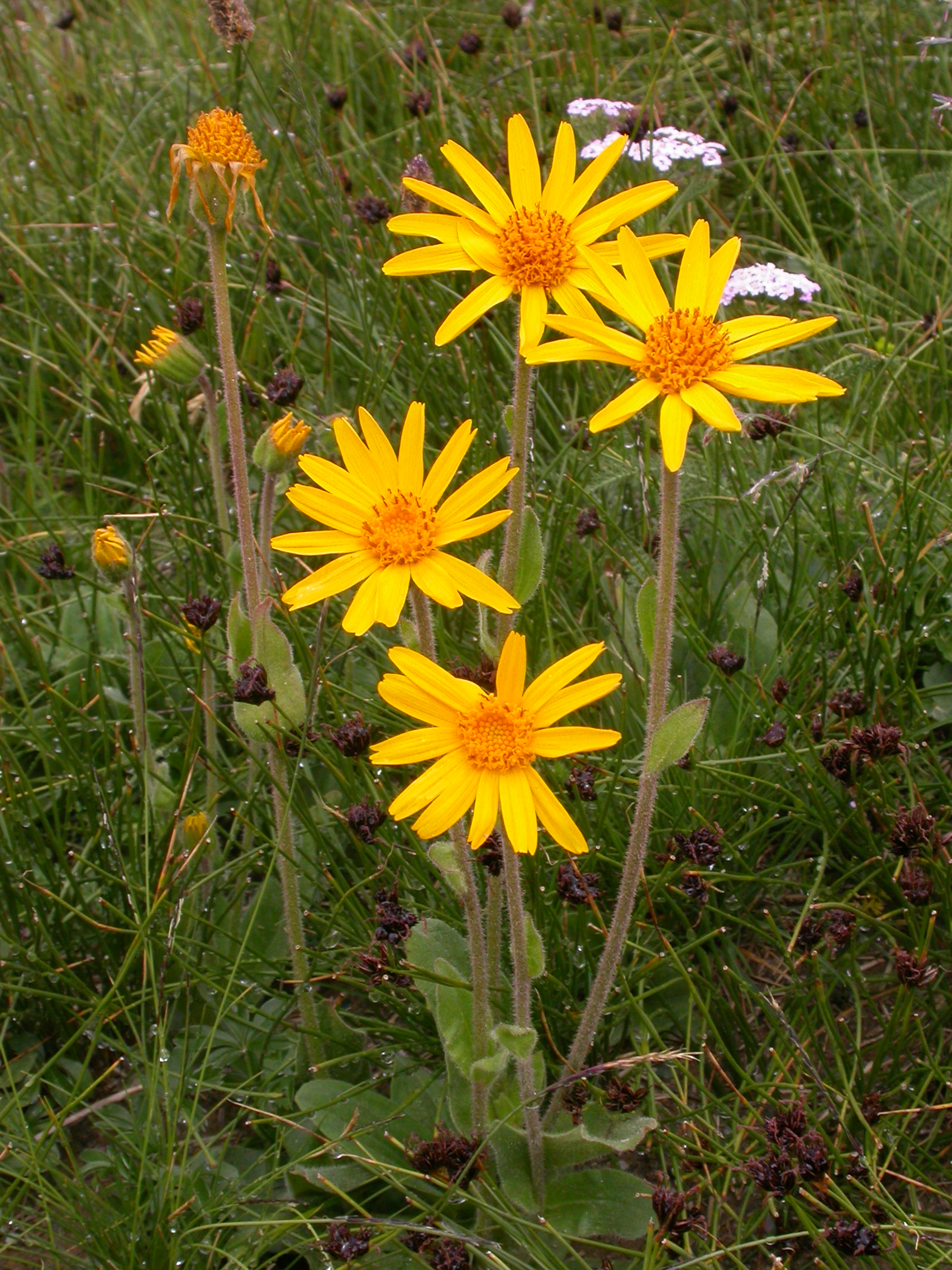
 Árnica (Arnica montana L.)


No es de extrañar que la árnica aparezca en esta sección de las plantas fumables si tenemos en cuenta que uno de sus sinónimos es el de tabaco de montaña. La primera vez que se cita a la árnica es en el siglo XII por Santa Hildegarda. Se encuentra en altitudes que van de los 700 a 2500 metros. Es precisamente cerca de lagos de montaña donde se la encuentra abundantemente en ciertas montañas pirenaicas. propiedades conocidas son las de estimular el sistema nervioso y el cerebro. Macerando sus flores en aceite de oliva obtenemos un remedio eficaz y muy conocido por muchas personas del campo contra los golpes con hematomas o torcedoras. Paises como Suecia, Rusia y Francia la utilizaban a manera de fumación. Según el Dr. A. Cuenot "Su toxicidad es muy inferior a la del tabaco. La recolección tiene lugar después de la floración. Dada la toxicidad de la flor, conviene conservar las hojas. Se las puede fumar secas, pero la fermentación mejora su aroma, bastante parecido al del tabaco. Esta ennegrece las hojas y produce un tabaco negro de olor dulce y agradable. No solamente puede ser fumada la planta, sino que reducida a polvo, las hojas son estornutatorias, pudiendo ser tomadas solas o mezcladas con tabaco a modo de rapé".


Artemisa común (Artemisia vulgaris L.)


También llamada tabaco de San Pedro. En la Edad Media gozaba de propiedades abortivas y emenagoga. Hoy en día no se le discuten sus excelentes resultados contra la amenorrea. Sus hojas se recolectan antes de la floración. La artemisa ha sido utlizada como sucedáneo del tabaco. Fournier comenta: "La artemisa y la bardana son, desde hace siglos, fumadas por los mongoles. La artemisa ha recibido en Francia y Bélgica el nombre bastante significativo de tabaco de San Pedro. Tiene un olor débil, contiene poco aceite esencial, sobre todo de tanino y materias resinosas; no alcaloide, posee un sabor fuertemente amargo... Aunque su aceite esencial a altas dosis pueda ser considerado tóxico, el hecho es que fumada, la artemisa resulta prácticamente inofensiva, lo que le conferiría una inmensa superioridad ante el tabaco... si tuviera su aroma".


Salvia Officinalis


http://en.wikipedia.org/wiki/Salvia_officinalis

Malva

http://en.wikipedia.org/wiki/Malva

Valeriana


Damiana (Turnera Difusa) 


http://en.wikipedia.org/wiki/Damiana

Rose
I use some dry rose petals to give a nice smell to the mix.

Cinamon
It was also used in the Amazon as another component of the mapachos...gives a delicious flavour


Datura sanguinea

We were also finding the leaves of this datura in the Amazon...converted into cigarrets, not many people liked them and it is considered one of the strongest spirits in the plant world...so treat it gently ;)

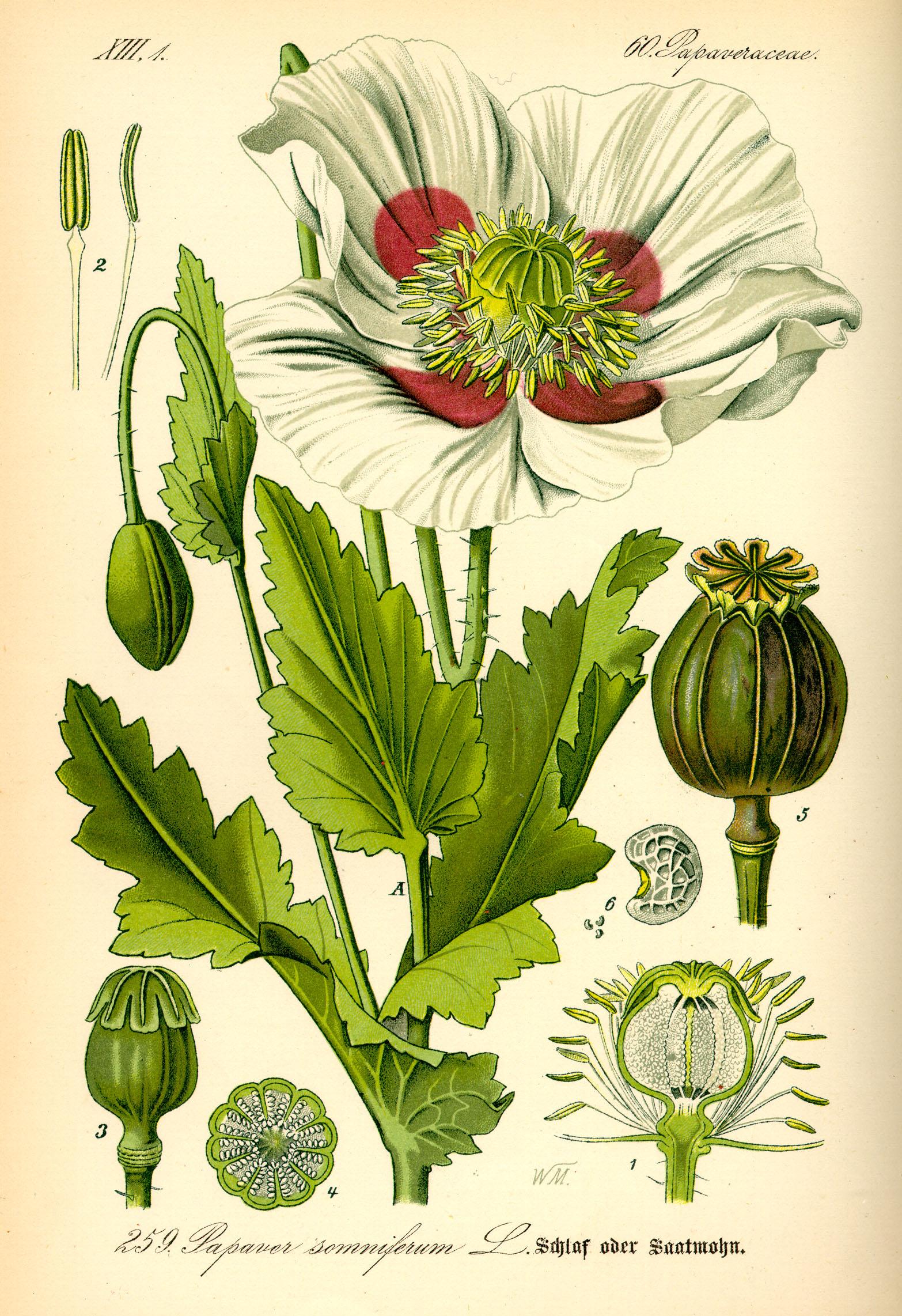
Adormidera (Papaver somniferum L.)


Possible to smoke but only as a medicine.


 Beleño negro (Hyoscyamus niger L.)
Llamada también hierba loca. Despide un olor desagradable. Se trata de una planta muy tóxica y estupefaciente. Forma parte de algunas pócimas de brujerías. Contiene alcaloides. Es sedante, hipnótico, antiespasmódico, antineurálgico y antiasmático. Se utiliza contra el delirio.
 
 Bardana común (Arctium lappa L., Arctium majus L.)

 Sus hojas se recolectan antes de la floración de la planta y se secan a la sombra en lugar seco. Contiene inulina, azúcar, mucílago, tanino, resinas, principio amargo, aceite esencial, sulfatos y fosfatos de potasio y magnesio. La bardana posee propiedades diuréticas, sudoríficas, laxantes, antivenenosa, depurativa de la sangre y antidiabética. Está indicada en la gota, los abscesos, dermatosis, rubeola, reumas, diabetes, litiasis urinaria y mordeduras de víboras. Como planta fumada P. Fournier comenta: "Se debe a sus vastas dimensiones el lugar que ocupa, ya que nos recuerdan a las hojas del tabaco... no existiendo en sus grandes hojas diseñadas para liar magníficos puros ningún elemento nocivo." Sus hoas se mezclaban con la artemisa para fumar en pipa.

 Alga o Fuco (Fucus vesiculosus L.)

También denominada lechuga marina. El nombre latín vesiculosus viene de vesícula haciendo alusión a las grandes redondeces llenas de aire que le permiten flotar. Es planta abundante en las islas británicas y en el océano Atlántico. Contiene vitaminas C, B y E, principios amargos, aceite esencial de magnesio, potasio, hierro, sodio, calcio, sílice, bromuro y yodo. Goza de propiedades adelgazantes, nutritivas, antireumáticas, antipaperas o bocio, y antiasmáticas. Se trata de una planta muy recomendable contra el asma, la obesidad, la gota, el reumatismo y las heridas de mala cicatrización en cuyo caso se recomienda mezclarla con el equisetum arvense. Es incompatible cuando se ingiere cerveza y harinas. El fucus desecado se utilizaba como sucedáneo del tabaco fumado a manera de cigarrillo o en pipa. Los cigarrillos de fuco, aconsejados contra la tisis, se preparaban con hojas de fuco a las que a veces se añaden hojas de estramonio y de salvia.


Alem destas plantas pode-se fumar tambem salva, malva, damiana, eucalipto, rosa, canela, camomila, valeriana, hortela, lotus, e nevea dos gatos.

Esta publicação está em construção se conheceres mais plantas alem destas partilha ; )

Share with your friends

Permaculture is to create paradise on earth starting at the kitchen garden